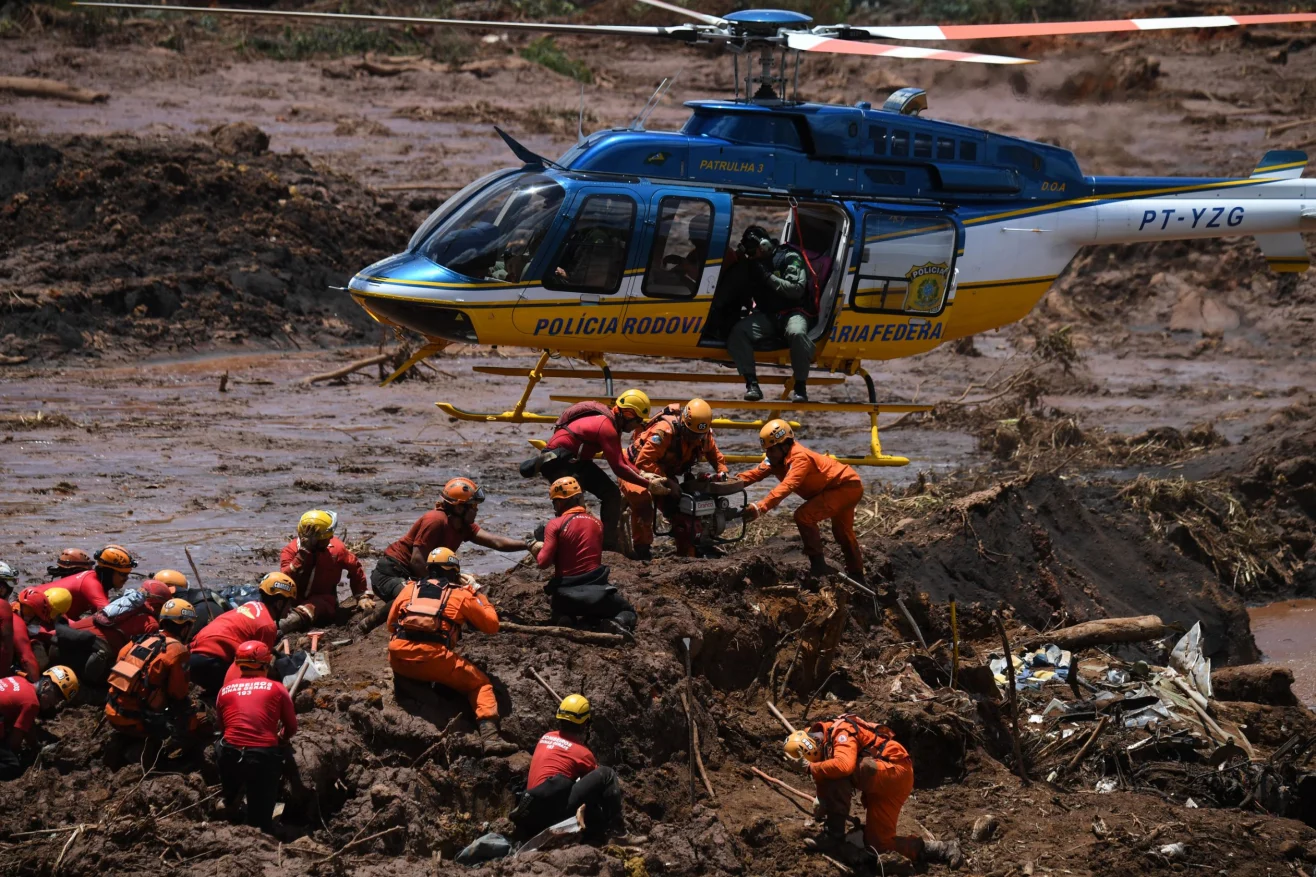
Case
01
Anatomy of a Collapse
Brumadinho gave warning.
The contract wasn't listening.
Vale · Córrego do Feijão dam · January 2019
In the 47 days before Vale's Córrego do Feijão tailings dam collapsed, the dam's own monitoring system recorded anomalous readings. The data was logged. It was reviewed. It was assessed against a stability model that had been certified four months earlier by TÜV SÜD. The model said the dam was safe. On January 25, 2019, the dam collapsed. 270 people died.
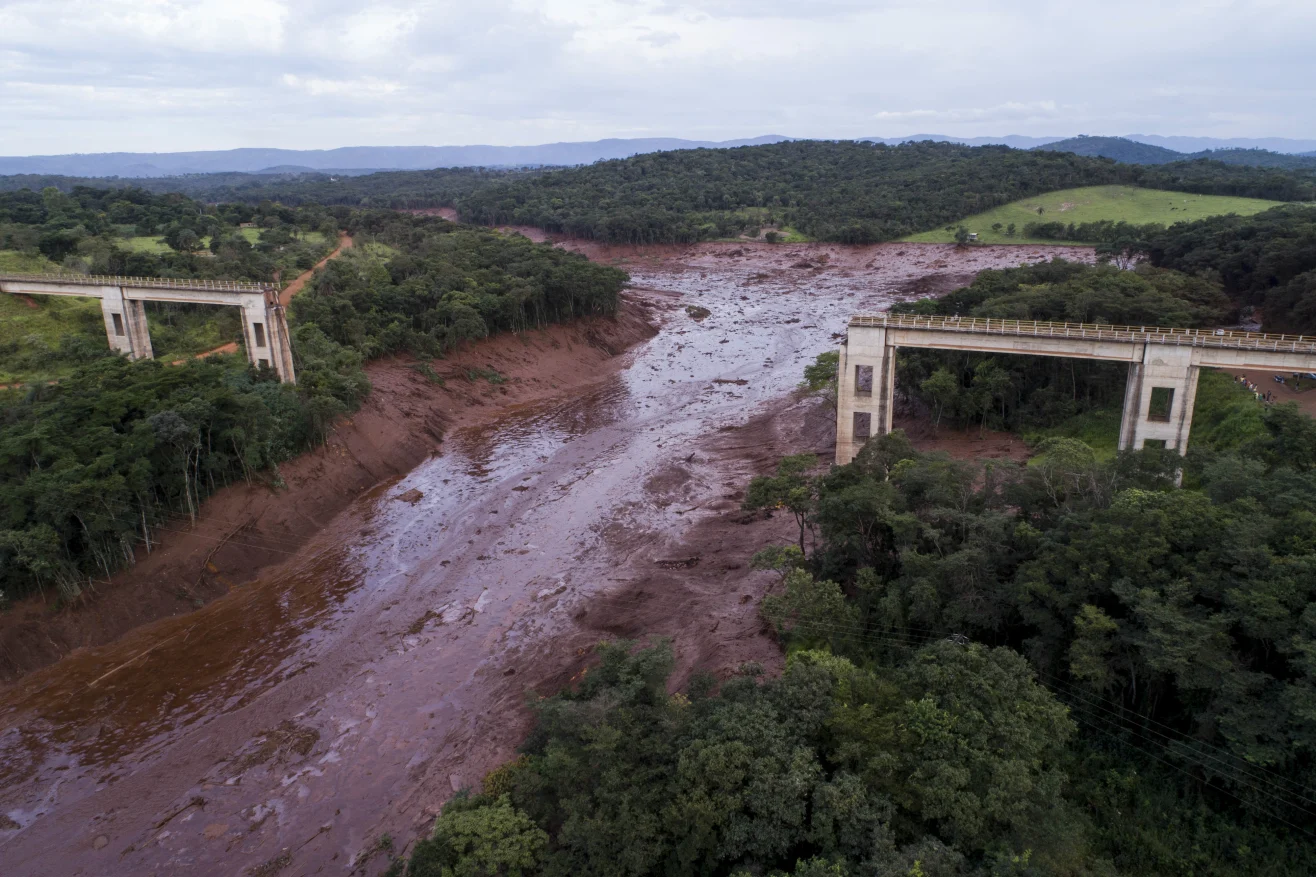
Case
02
Anatomy of a Collapse
The contract was working.
The dam was not listening.
Samarco · Fundão dam · November 2015
In 2015, the Fundão tailings dam at Samarco collapsed — 19 dead, the Rio Doce contaminated for 663 kilometers, the largest environmental disaster in Brazilian history. Months of anomalous pore pressure readings had been logged and reviewed. The dam had been certified stable in September. The pattern is not accidental. It is architectural. Four years later, Brumadinho.
Case
03
Anatomy of a Collapse
The regulation was adopted.
The trigger was suspended.
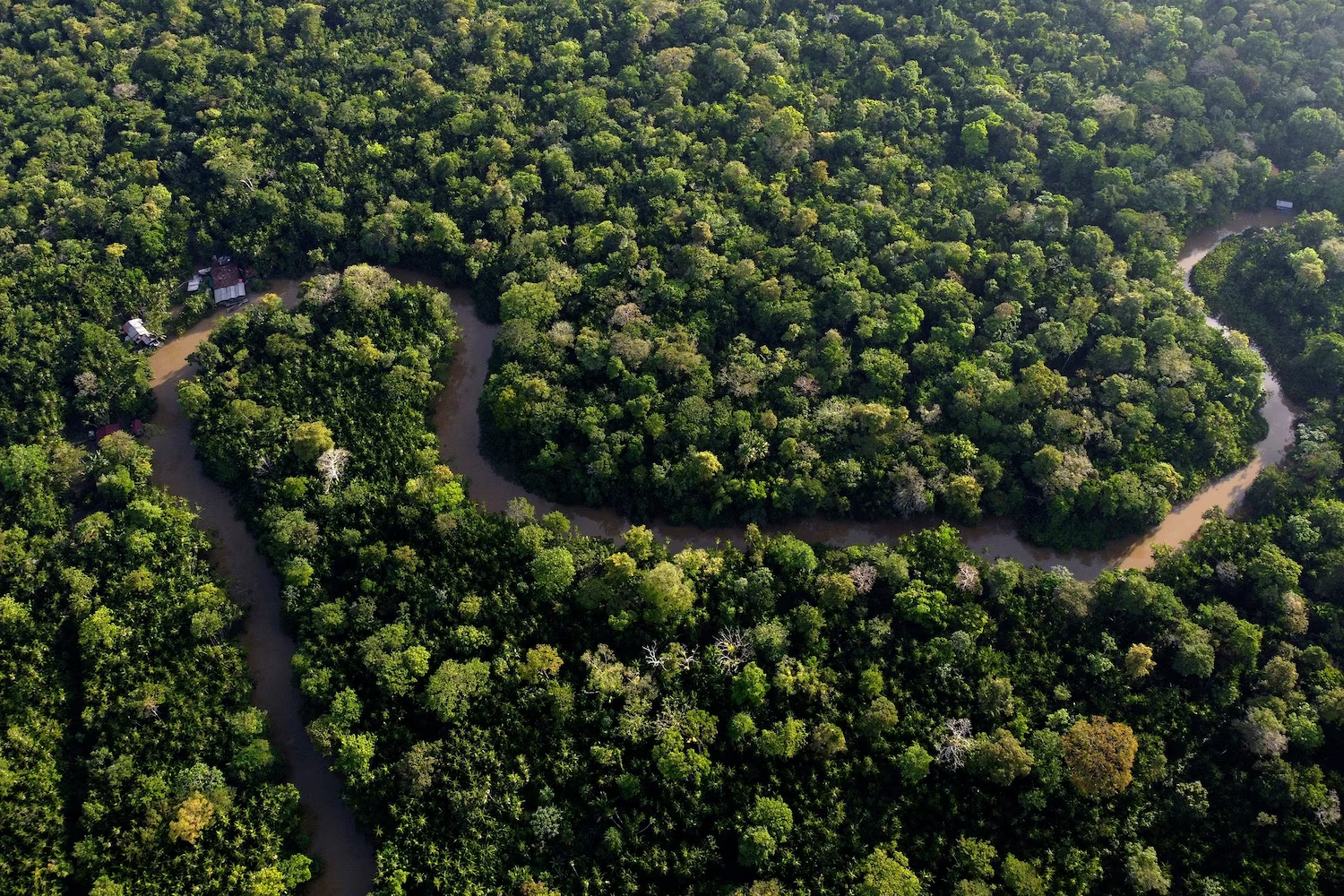
EUDR · Deforestation Regulation · October 2024
With sixty days remaining before the EU Deforestation Regulation was to take effect, the European Commission announced a one-year delay. The satellite data showing ongoing deforestation had not changed. What changed was the political cost of enforcement.
The pattern
Both dams had monitoring systems that worked. Both had legal frameworks. Both had recent certifications. Neither had a non-discretionary trigger.
The doctrine that explains this gap is published at hasse.foundation. The analysis applying it to these cases is at Analysis →